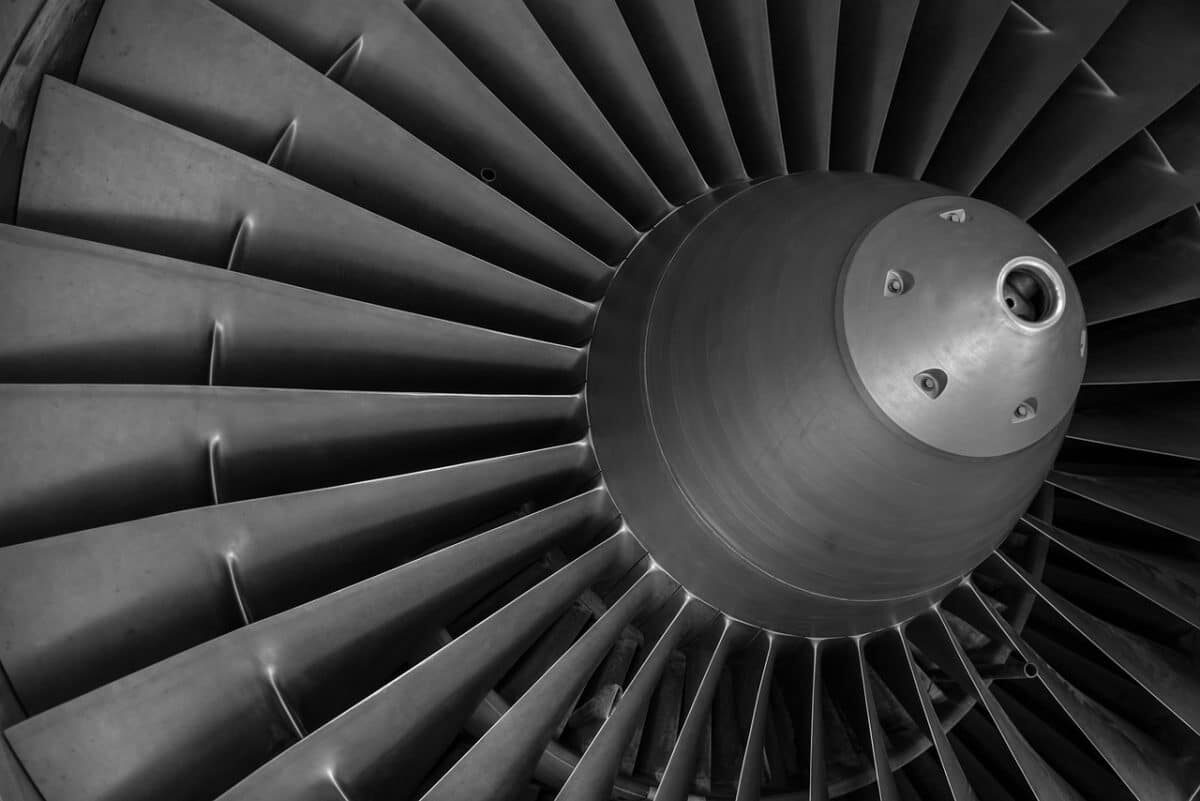
The motor of the professional hood is responsible for the circulation of air through the filtration system. When it is running, it draws in hot air, vapors, and grease particles generated during cooking. This air is then filtered and expelled or recycled depending on the type of hood. The motor creates a vacuum that helps eliminate contaminants present in the ambient air.
The motors of professional hoods can vary in terms of power and design, but their main objective remains the same: to maintain a clean and comfortable working atmosphere. They can be equipped with multiple levels of filtration, such as grease filters, activated carbon filters, and sometimes even HEPA filters for the most demanding environments.
Types of Professional Hood Motors
Centrifugal Motors
Centrifugal motors are among the most commonly used in professional hoods. They operate using a centrifugal wheel to expel air at high speed, allowing for effective extraction of contaminants. These motors are generally powerful and well-suited for kitchens with high ventilation needs.
Axial Motors
Axial motors, on the other hand, move air along the axis of the motor. They are often used in installations where air extraction is less intensive. Although they may be less powerful than centrifugal motors, they are quieter and can be more suitable for environments where noise level is a significant concern.
Double Flow Motors
Double flow motors are designed to offer increased flexibility in ventilation. They allow air to circulate both outside and inside, depending on the specific needs of the kitchen. This functionality is particularly useful in environments where ventilation conditions frequently vary.
Importance of the Professional Hood Motor
Improvement of Air Quality
One of the most important functions of the professional hood motor is the improvement of air quality. By eliminating cooking vapors, grease, and odors, the motor helps create a more pleasant and healthier working environment for the staff. This is essential for employee comfort and for maintaining high food safety standards.
Fire Risk Prevention
The grease and oils that accumulate in hoods can pose a significant fire risk. An effective professional hood motor helps reduce this risk by ensuring continuous extraction of greasy particles. This minimizes the chances of fire and contributes to the overall safety of the kitchen.
Energy Efficiency
Modern professional hood motors are designed to be more energy-efficient. They provide high performance while consuming less electricity, allowing establishments to reduce their operating costs while meeting environmental standards.
Maintenance and Care of the Hood Motor
Regular maintenance is essential to ensure the proper functioning and longevity of the professional hood motor. Filters should be cleaned or replaced regularly to maintain optimal performance. Additionally, it is important to periodically check the motor components for any signs of wear or malfunction.
Filter Cleaning
Grease filters should be cleaned regularly to avoid debris buildup, which can harm the motor’s efficiency. Activated carbon filters, when used, should also be replaced according to the manufacturer’s recommendations.
Component Inspection
It is advisable to have the motor and its components inspected by a qualified technician at least once a year. This helps detect and resolve any potential issues before they affect the hood’s performance.