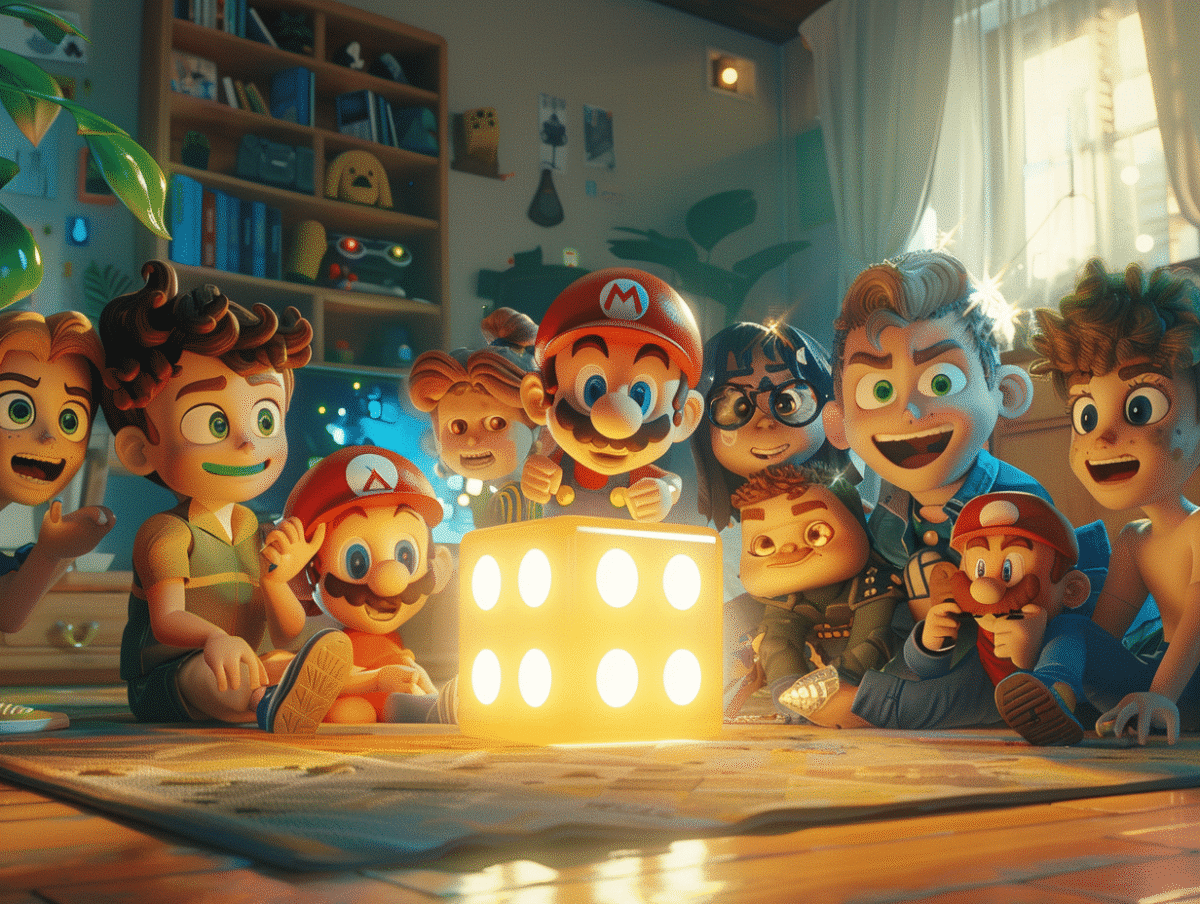
Randomness, or RNG (Random Number Generator), serves as a fundamental pillar in video game design. It breathes life into virtual worlds by generating unpredictable events, hidden rewards, and unique challenges, contributing to the replayability and excitement of games. From random encounters with rare creatures to devastating critical hits, RNG is the invisible force that orchestrates some of the uncertainty and thrill that make games captivating. It is a complex alchemy where probability and gameplay enjoyment meet, creating memorable and often addictive experiences for players.
The Mechanics of Randomness: Exploring RNG in Video Games
The Random Number Generator, or RNG, is the beating heart of randomness in video games. In the combat system of role-playing games (RPGs), especially in science fiction universes, this mechanic is ubiquitous. Take, for example, Legends of Runeterra, where the Rising Tide expansion introduced the fictional region of Bilgewater, a place where fortune favors the bold and living always carries a risk. It is here that RNG makes perfect sense, simulating chance and luck through cards like Bullet Rain or Warlord’s Call, whose random effects enhance the theme of variability and uncertainty.
Variability in video games is associated with uncertainty, a concept that brings unexpected dynamics to gameplay. Cards like Stolen Goods or Torpedo represent this variability and uncertainty, key elements that can turn the tide of a game in an instant. In this context, RNG acts as a narrative anchor, propelling stories where each action can lead to a multitude of different consequences, making each game unique.
However, the use of RNG must be balanced to avoid excessive frustration among players. It is a delicate balance to find, where the perception of RNG varies between frustration and fascination. The challenge for game designers, such as Alexzandros ‘Careless Whisper’ Lee, the game designer of Rising Tide, is to precisely dose randomness so that it is perceived as an enhancement of the game rather than an obstacle. It is in this nuance that the secret of successful RNG lies, transforming a simple mechanism into an essential component of the gaming adventure.
Impact and Perception of RNG by Players: Between Frustration and Fascination
The perception of RNG by players is a topic as complex as it is nuanced. On one hand, player frustration can arise when randomness seems to undermine control and strategy, the feeling of helplessness in the face of a digital fate can be discouraging. On the other hand, the fascination with randomness is explained by the excitement and surprise that these unpredictable elements provide, injecting an unexpected and often welcome vitality into video games. In an action-adventure RPG, where every decision made by the player character can have significant consequences, this ambivalence of RNG is particularly palpable.
According to Alexzandros ‘Careless Whisper’ Lee, the game designer of Rising Tide, the art of designing a video game lies in the ability to weave RNG into the very fabric of the experience without destroying its balance. A challenging task, as the player must perceive randomness not as an enemy, but as a companion on the journey, a factor that enriches the adventure and enhances responsiveness to the unexpected. It is with this perspective that the region of Bilgewater, characterized by fortune and risk, was shaped, emblematic of this alliance between chance and strategy.
Video game news is filled with discussions about RNG, reflecting a growing interest in the underlying mechanics that animate virtual worlds. The gaming community, increasingly savvy and demanding, scrutinizes, analyzes, and often debates the influence of RNG on their gaming experience. Balance is therefore fundamental: well-integrated RNG can become a pillar of player engagement and retention, while poorly adjusted RNG risks driving them away in search of playgrounds where merit and skill prevail over the capricious wheel of fortune.